
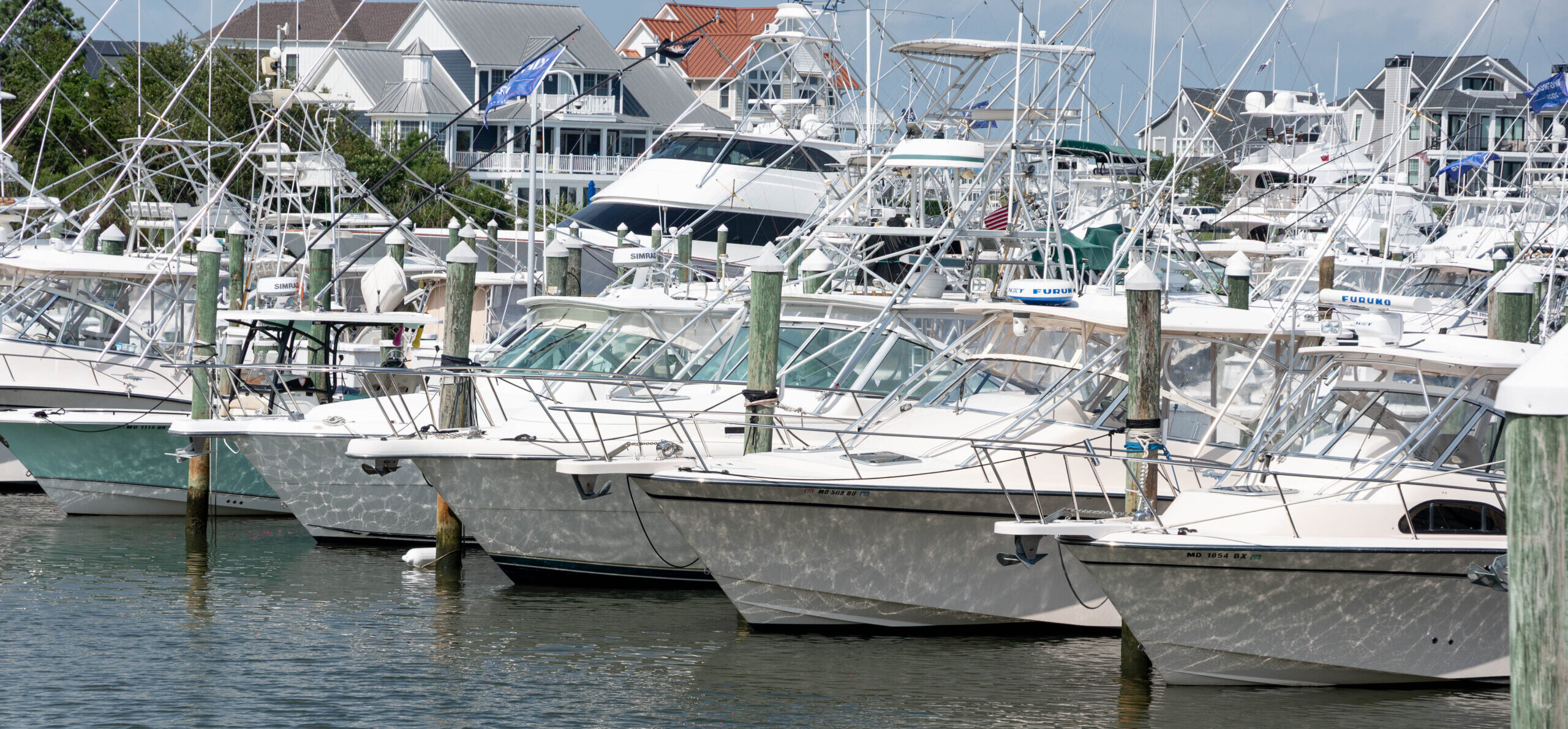
10 Things to Check Before Buying a Used Boat (2026 Guide)
A practical used-boat inspection checklist to help you make a more confident purchase.
Buying a used boat can be an excellent way to get more boat for your budget, avoid some of the initial depreciation associated with buying new, and gain access to models or equipment packages that may no longer be available from the factory.
But no two pre-owned boats have lived the same life.
Maintenance history, storage conditions, engine use, previous repairs, saltwater exposure, electronics, and even how the boat was operated can all affect its condition and long-term value.
That is why a proper inspection matters.
Before signing the paperwork, take the time to look beyond the cosmetics and evaluate the systems that can have the biggest impact on ownership costs. The following checklist covers 10 of the most important areas to review when buying a used boat.
Jump to a Section
① INSPECT THE HULL AND DECK
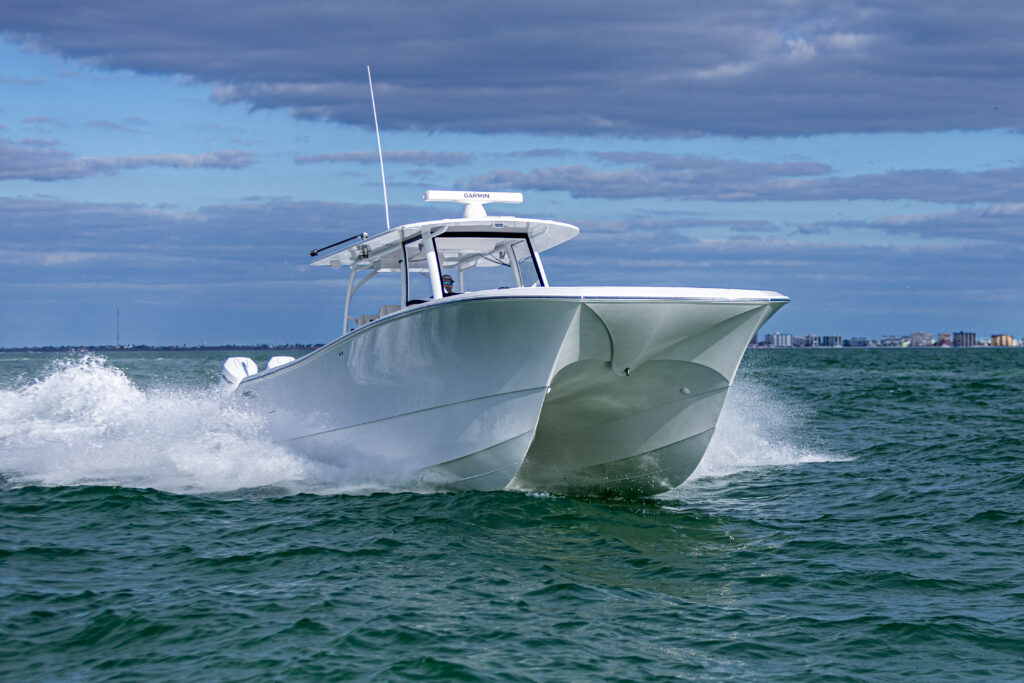
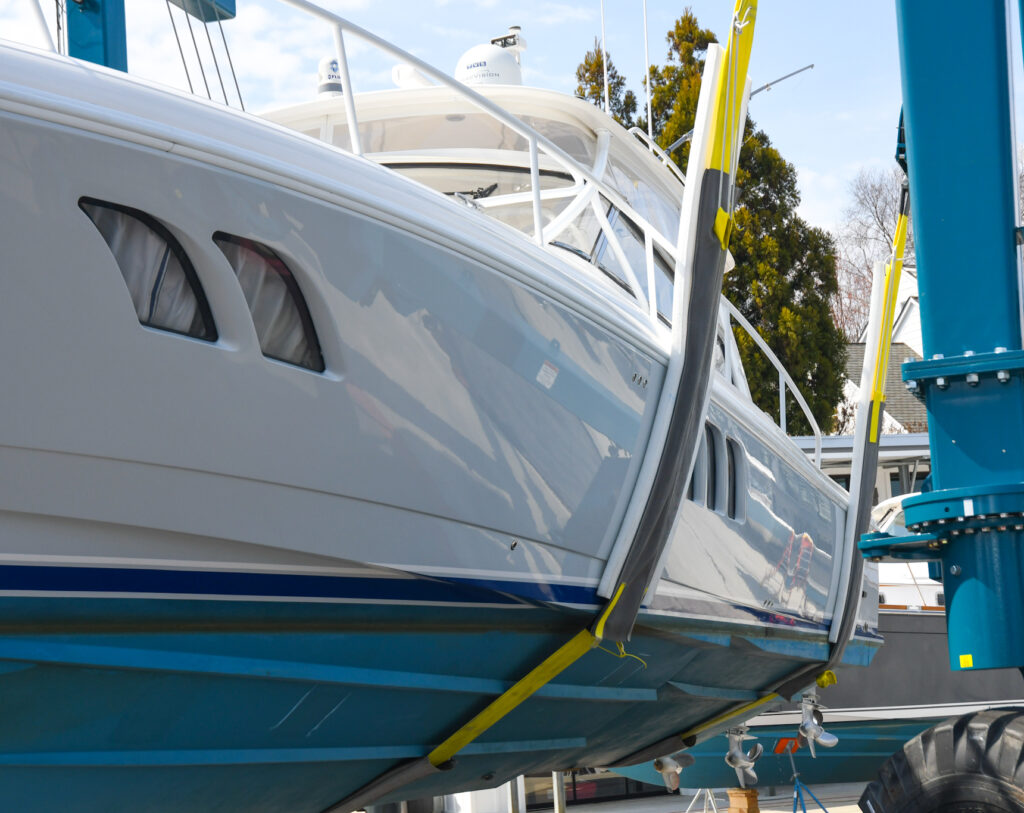
The hull should be one of the first areas you inspect because structural problems can quickly become expensive repairs.
Walk around the entire boat and look closely at the gelcoat, hull sides, transom, deck, and areas around fittings.
What to Look For
- Cracks in the gelcoat
- Stress cracking around hardware or corners
- Previous repairs or mismatched finishes
- Soft areas in the deck
- Impact damage
- Signs of water intrusion
- Corrosion around metal fittings
- Damage beneath the waterline
Not every crack indicates a major structural issue. Small cosmetic gelcoat cracks can occur over time. However, widespread cracking, soft spots, visible repairs, or evidence of moisture deserve closer inspection.
Captain’s Tip
Don’t judge a boat by its shine alone. A freshly detailed boat can look nearly perfect while still hiding costly mechanical or structural issues. Always inspect the boat carefully, request maintenance records, complete a sea trial, and consider a professional marine survey before making your purchase.
② REVIEW THE ENGINE CONDITION AND HOURS
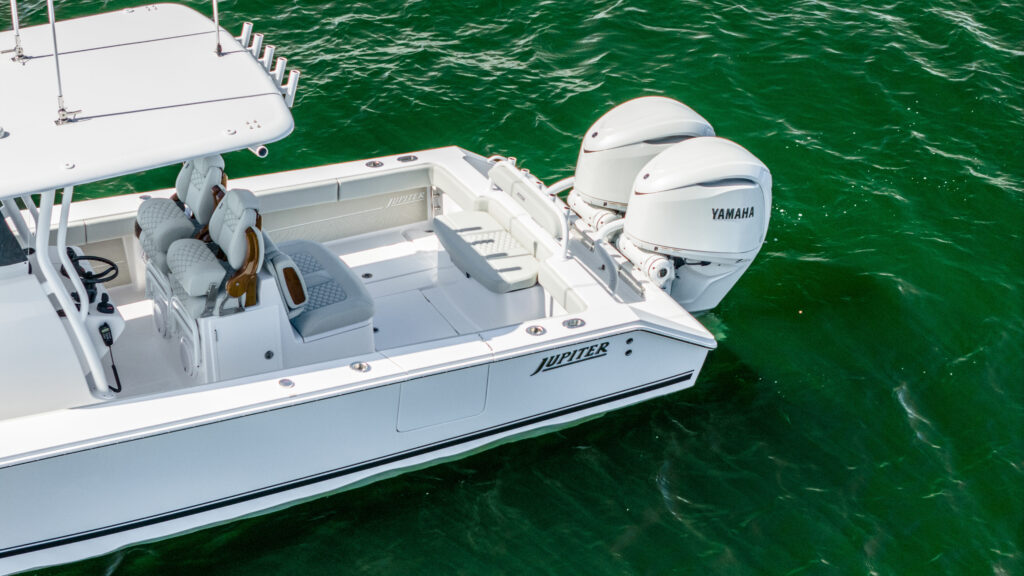
Engine hours are important, but they should never be evaluated by themselves.
A well-maintained higher-hour engine may be a better purchase than a low-hour engine that has sat unused or received inconsistent service.
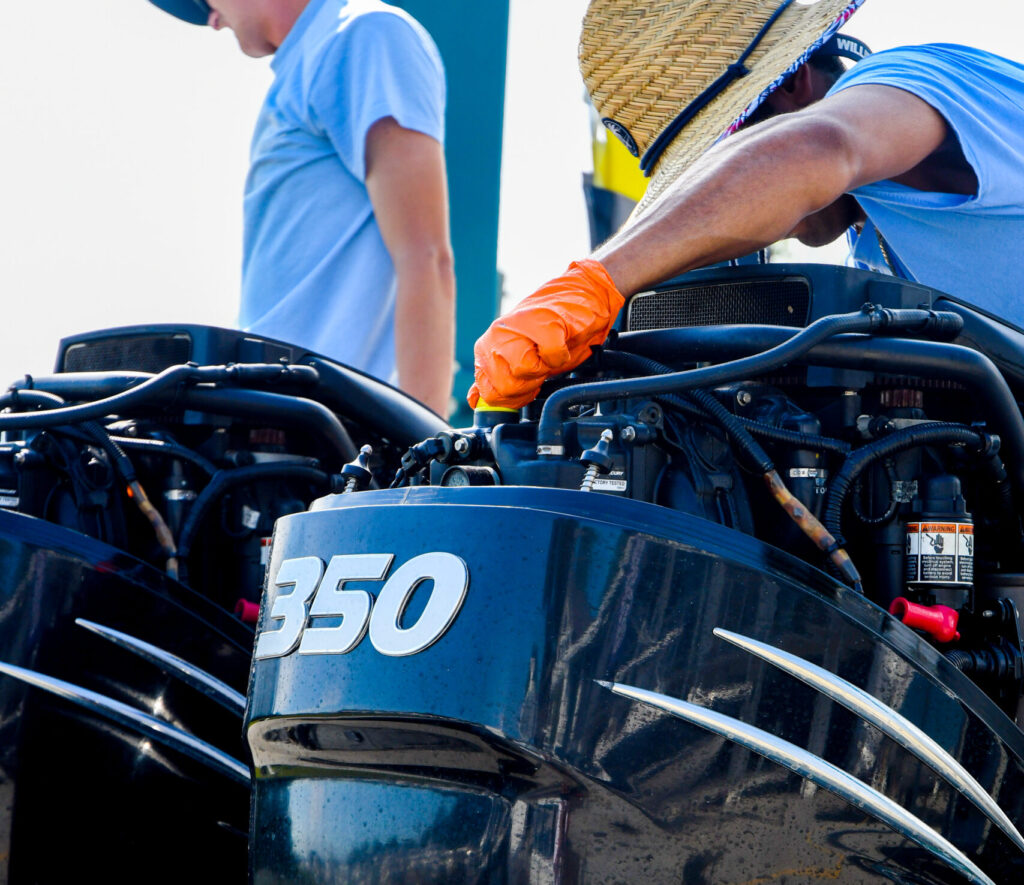
Ask about:
- Total engine hours
- Typical operating conditions
- Whether the engines were flushed after saltwater use
- Any major repairs
- Propeller damage
- Overheating history
- Warning alarms
- Engine diagnostic reports when available
About Engine Hours
There is no universal number of hours that automatically makes an outboard or marine engine “too old.”
Engine longevity depends heavily on maintenance, operation, storage conditions, manufacturer recommendations, and the specific engine model.
That is why documented service history is often more valuable than the hour meter alone.
③ ASK FOR MAINTENANCE AND SERVICE RECORDS
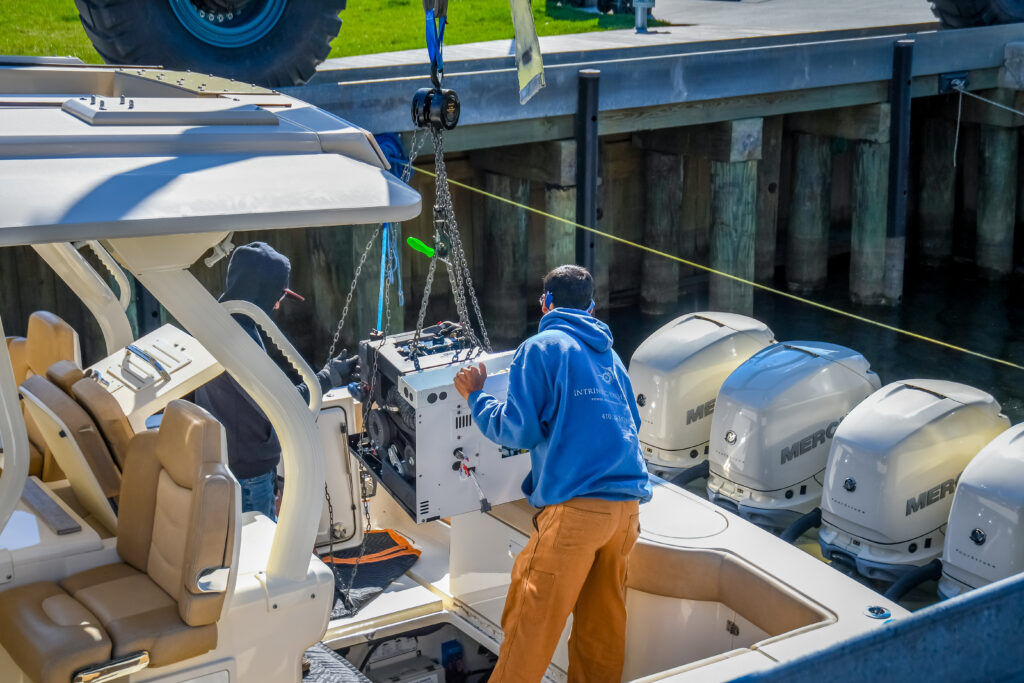
Service records can tell you a great deal about how a boat was treated.
Ideally, the seller should be able to provide records documenting regular maintenance and repairs.
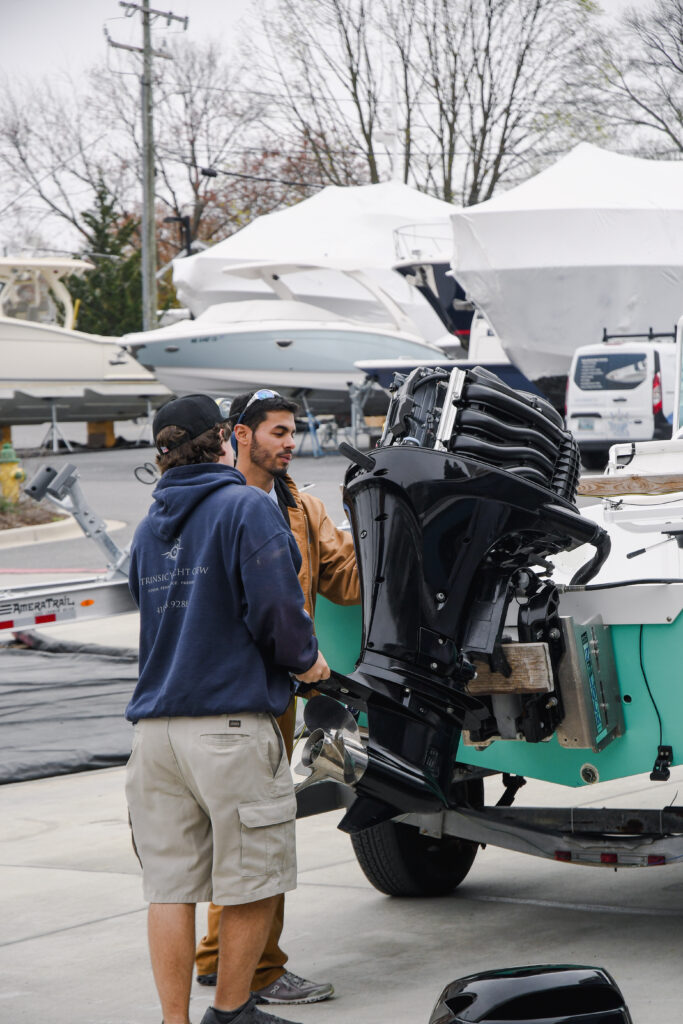
Records Worth Reviewing
- Engine oil and filter changes
- Gearcase or lower-unit service
- Fuel filter replacement
- Water-pump or impeller service
- Spark plugs
- Batteries
- Steering service
- Winterization
- Spring commissioning
- Generator maintenance, when applicable
- Major repairs or warranty work
Consistent records provide more confidence that maintenance was performed on schedule.
Missing records do not automatically mean a boat was neglected, but they do make it more difficult to verify its history.
④ TEST THE ELECTRONICS AND ELECTRICAL SYSTEMS
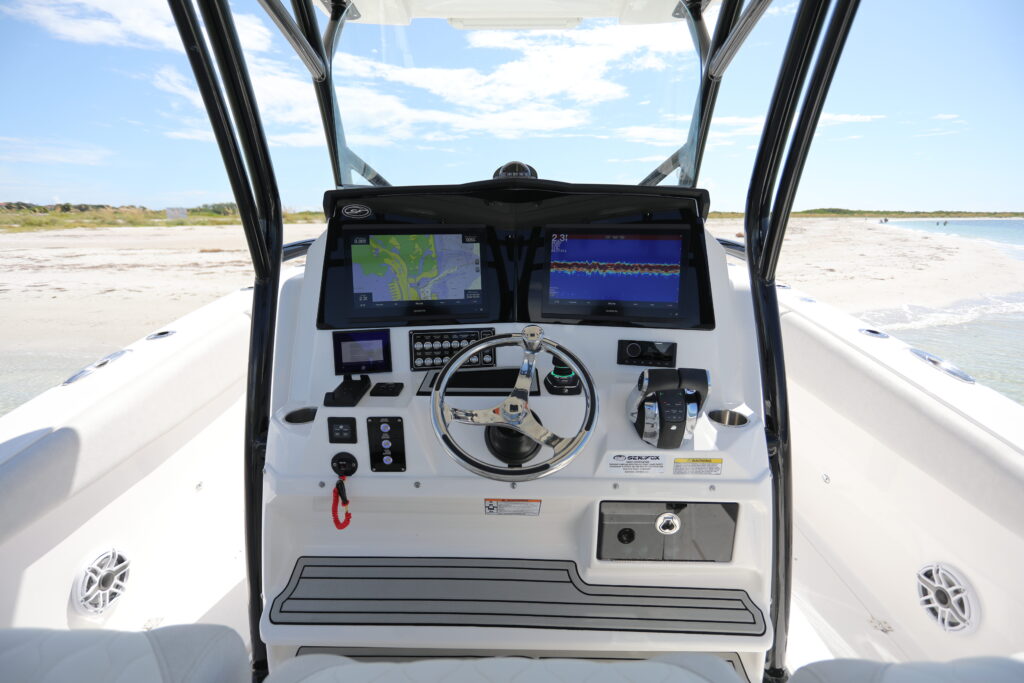
Marine electronics can represent a significant portion of a boat’s value, particularly on larger center consoles and offshore fishing boats.
Turn on every major system rather than assuming it works because it is installed.
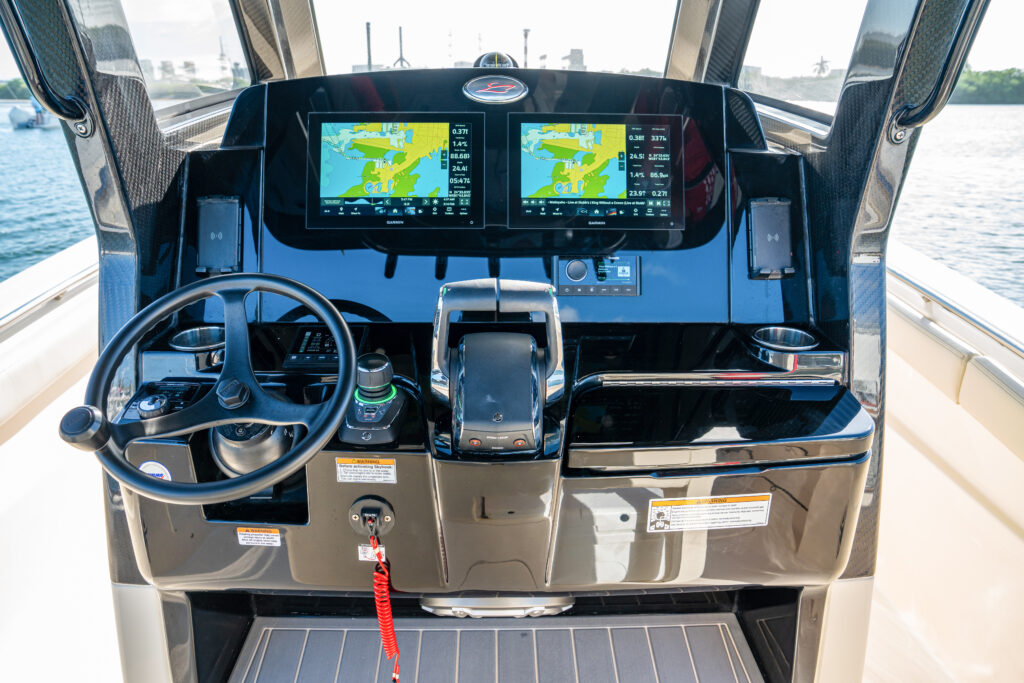
Test:
- Chartplotter
- Sonar or fishfinder
- Radar
- Autopilot
- VHF radio
- Stereo system
- Navigation lights
- Bilge pumps
- Livewell pumps
- Washdown pumps
- Trim tabs
- Windlass
- Courtesy lighting
- Battery switches
- USB and charging ports
Also look at the installation itself.
Loose wiring, corrosion, poorly labeled circuits, or improvised electrical repairs can indicate future problems.

⑤ INSPECT THE TRAILER
If the boat includes a trailer, treat the trailer as a separate piece of equipment that also needs inspection.

Check:
- Tire age and condition
- Wheel bearings
- Brakes
- Brake lines
- Lights
- Wiring
- Winch and strap
- Safety chains
- Bunks
- Rollers
- Frame corrosion
- Coupler condition
A trailer that looks simple can still require substantial repair if brakes, bearings, tires, or structural components have been neglected.
⑥ ALWAYS TAKE A SEA TRIAL
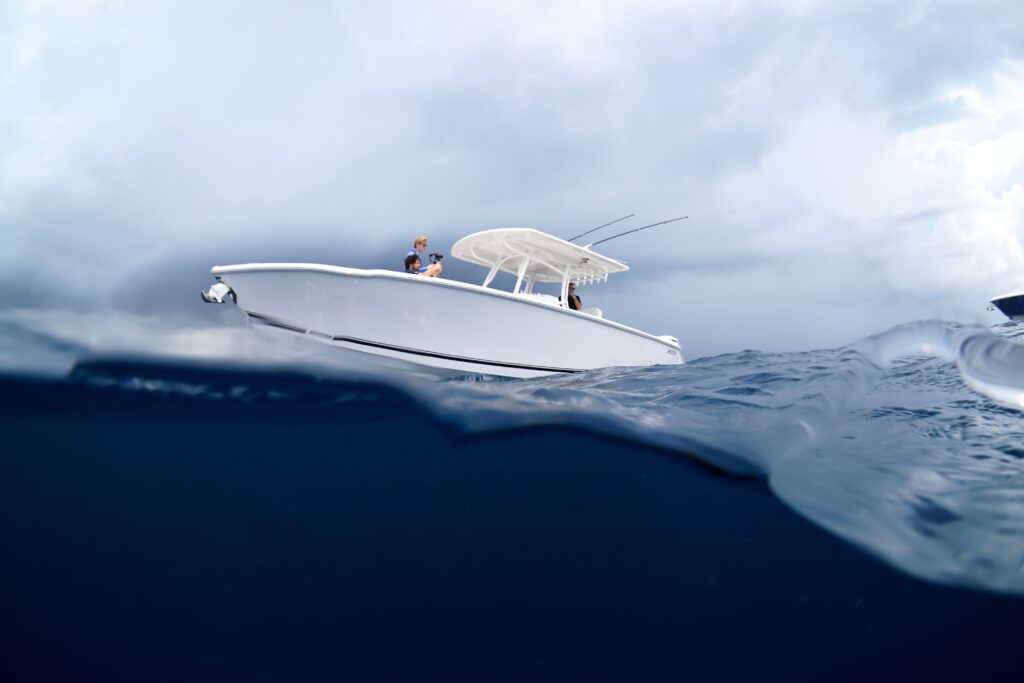
A boat can behave very differently underway than it does sitting at the dock.
Whenever practical, complete a sea trial before finalizing the purchase.
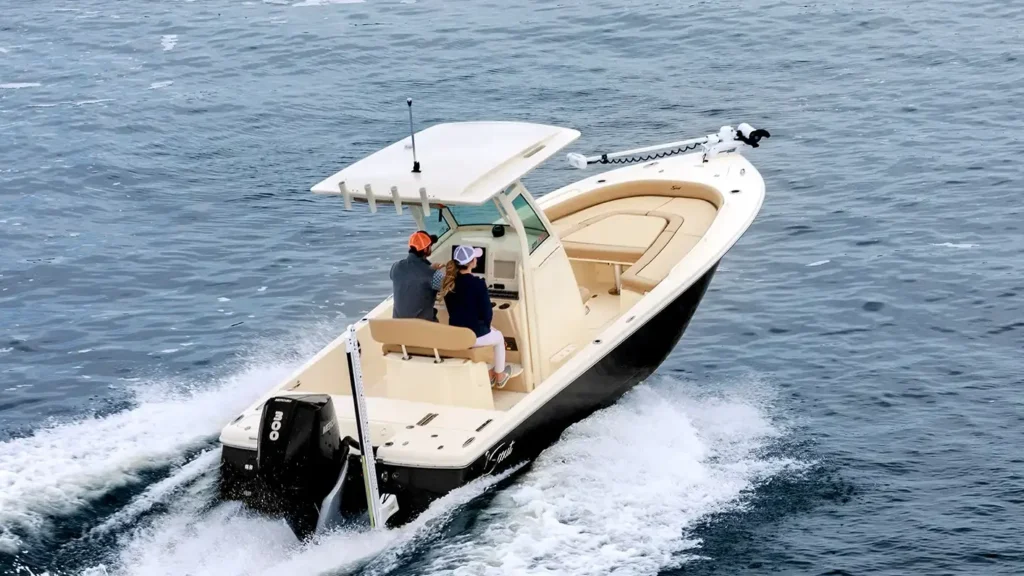
During the Sea Trial, Pay Attention To:
- Cold starting
- Idle quality
- Acceleration
- Engine temperature
- Steering response
- Trim operation
- Vibration
- Unusual noises
- Warning alarms
- Cruising performance
- Bilge activity
- Electronics performance underway
The boat should be tested through a reasonable range of operating conditions.
If possible, avoid evaluating only a warm engine. A cold start can reveal issues that are less noticeable after the engine has already been running.
Looking for a Quality Pre-Owned Boat?
Browse our carefully selected brokerage inventory featuring premium center consoles, sportfishing boats, cruisers, and more. Every listing is backed by the experience and support of the Intrinsic Yacht & Ship team.
Browse Brokerage Inventory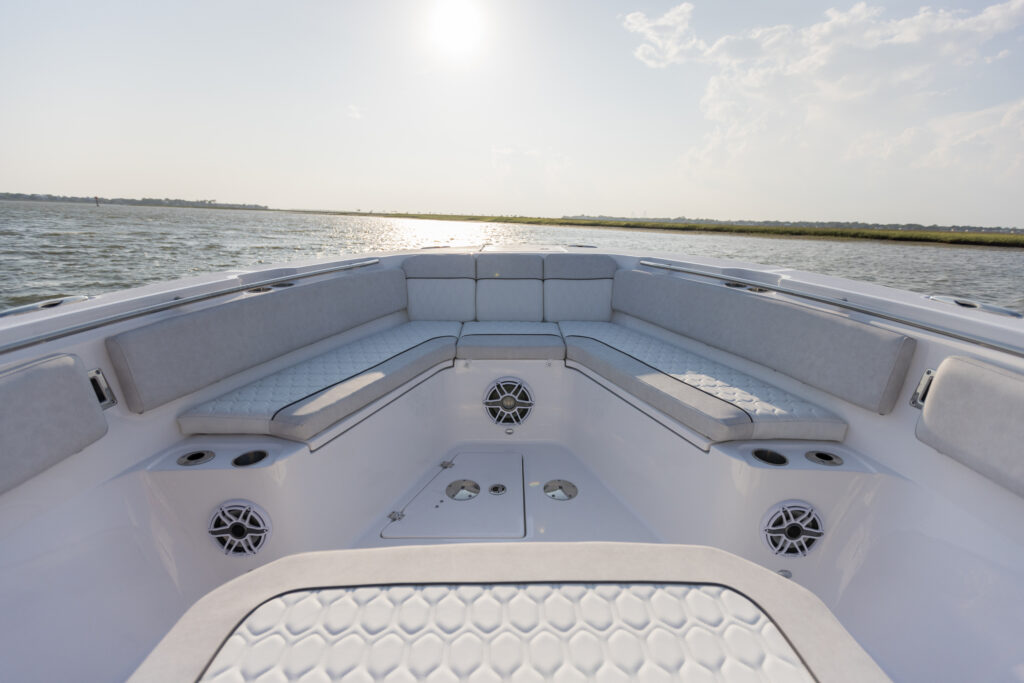
⑦ INSPECT THE INTERIOR, UPHOLSTERY, AND STORAGE AREAS
Open everything.
Inspect seat bases, storage compartments, bilges, cabinets, hatches, consoles, and enclosed spaces.
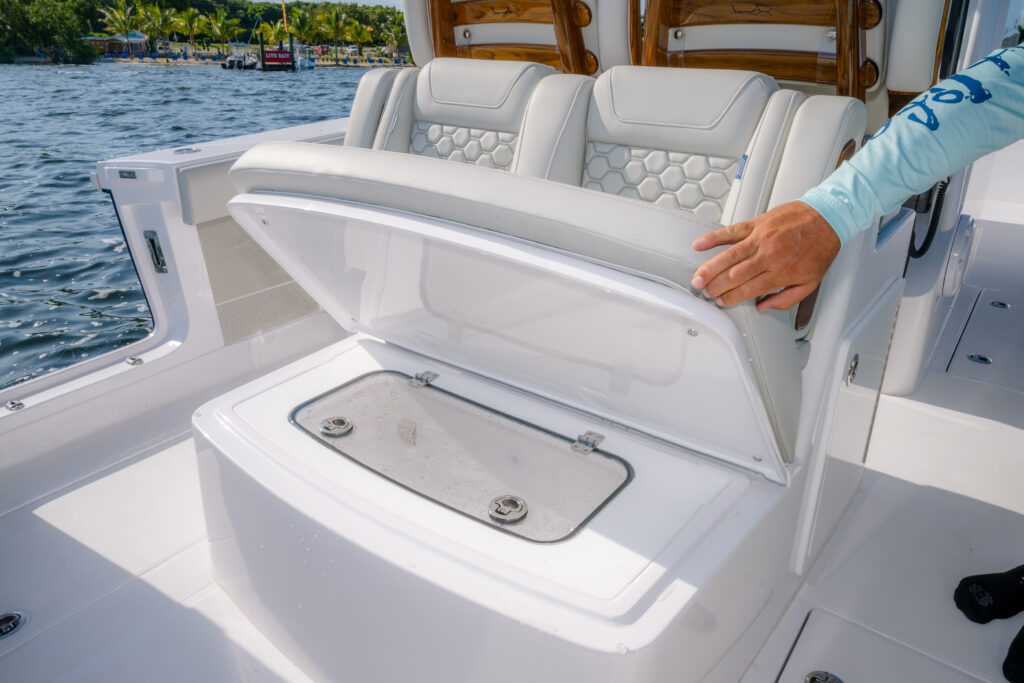
Look For:
- Mold or mildew
- Standing water
- Water stains
- Damaged upholstery
- Broken stitching
- Corroded hinges
- Loose hardware
- Damaged latches
- Unusual odors
- Evidence of previous leaks
Water stains and mildew can sometimes point to drainage, plumbing, canvas, or sealing issues that deserve further investigation.
On larger vessels, also test:
- Air conditioning
- Refrigeration
- Heads
- Freshwater systems
- Pumps
- Appliances
- Generator-powered equipment

⑧ VERIFY THE TITLE AND DOCUMENTATION
Before purchasing any used boat, make sure the vessel can be legally transferred.
Depending on the boat and jurisdiction, documentation may include:
- Boat title
- Registration
- Hull Identification Number
- Engine serial numbers
- Trailer title or registration
- Coast Guard documentation, where applicable
- Loan payoff information if a lien exists
The Hull Identification Number on the boat should match the paperwork.
If anything appears inconsistent, resolve it before completing the transaction.
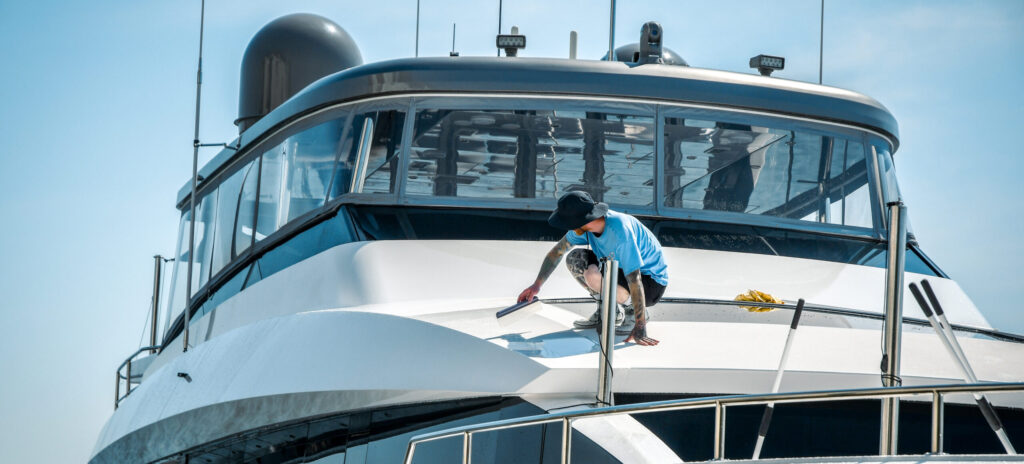
⑨ CONSIDER A PROFESSIONAL MARINE SURVEY
For many used boats, particularly larger or higher-value vessels, a professional marine survey is a smart part of the buying process.
A qualified surveyor can evaluate areas that may not be obvious during a casual inspection.
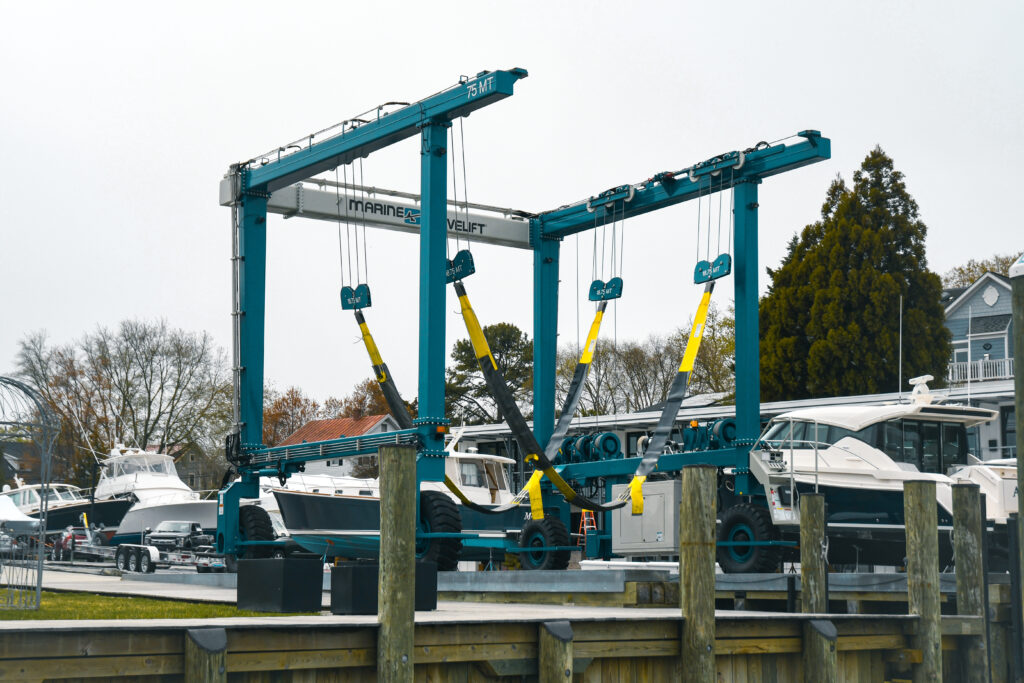
A survey may include examination of:
- Hull structure
- Moisture
- Electrical systems
- Plumbing
- Fuel systems
- Safety equipment
- Machinery
- Deck hardware
- Through-hulls
- Overall condition
A lender or insurance provider may also require a survey depending on the age, size, value, and type of vessel.
A lender or insurance provider may also require a survey depending on the age, size, value, and type of vessel.
IMPORTANT
A marine survey is not the same as an engine inspection.
For powered vessels, buyers may also want a qualified technician to inspect the engines and review available diagnostic information.
⑩ CONSIDER WHO YOU ARE BUYING FROM
A private-party purchase and a brokerage or dealership purchase can offer very different experiences.
Private sales may work well for experienced buyers who are comfortable managing inspections, paperwork, financing, and negotiations themselves.
Working with an established brokerage or dealership can provide additional support during the transaction.
That may include:
- Help identifying appropriate boats
- Coordination of showings
- Sea-trial assistance
- Survey coordination
- Financing resources
- Trade-in options
- Documentation support
- Post-sale service
The most important factor is transparency.
A good seller or broker should be willing to answer questions, provide available records, and allow the buyer sufficient opportunity to evaluate the vessel.
RED FLAGS TO WATCH FOR
Walk Away or Investigate Further If You Find:
- Seller unwilling to allow a sea trial
- Seller discouraging a survey
- Significant unexplained hull repairs
- Engine warning alarms
- Heavy corrosion
- Fuel or oil odors
- Water intrusion
- Inconsistent paperwork
- Missing Hull Identification Number
- Electrical modifications that appear unsafe
- Major maintenance claims with no supporting documentation
USED BOAT BUYER’S MINI CHECKLIST
Before Making an Offer:
- Inspect the hull and deck
- Review engine hours
- Request service records
- Test electronics
- Inspect the trailer
- Complete a sea trial
- Review interior condition
- Verify documentation
- Consider a marine survey
- Understand any immediate repairs or maintenance needs
FREQUENTLY ASKED QUESTIONS
It can be. Used boats often allow buyers to purchase more size, equipment, or capability for the same budget compared with buying new. The key is evaluating condition, maintenance history, and potential future repair costs.
There is no single cutoff that applies to every marine engine. Maintenance history, operating conditions, age, engine model, and how the boat was stored are all important. A qualified technician can provide more meaningful insight than the hour meter alone.
For larger or higher-value boats, a professional marine survey is commonly recommended. It may also be required by a lender or insurance provider.
Pay attention to engine starting, acceleration, steering, vibration, temperatures, alarms, electronics, trim systems, bilge activity, and overall handling.
Both can work. A dealership or brokerage may offer additional support with paperwork, financing, trade-ins, surveys, and post-sale service, while private sales may appeal to experienced buyers comfortable managing those steps themselves.
Many used boats can be financed, subject to lender requirements related to the buyer, vessel age, condition, value, and other factors.
There is no single red flag that applies to every vessel, but unwillingness to permit inspections or a sea trial, unexplained structural repairs, incomplete documentation, and significant mechanical concerns should all be investigated carefully.
Not inherently. Many boats are designed specifically for saltwater operation. Maintenance is what matters. Proper flushing, corrosion prevention, cleaning, storage, and routine service are especially important in saltwater environments.


