
What Makes a Boat Ride Better? Hull Design, Deadrise & Stability Explained
Two boats can be the same length, have similar horsepower, and look almost identical at the dock, yet feel completely different on the water.
So what actually makes one boat ride better than another?
A boat’s ride quality depends on its hull design, deadrise, weight distribution, trim, and how it responds to changing water conditions. Features like stabilization systems can also improve comfort, but no single specification tells the whole story.
Whether you’re cruising the Chesapeake Bay, fishing offshore from Ocean City, or shopping for your next center console, understanding these differences can help you make a more informed decision.
What Determines How Smoothly a Boat Rides?
A smooth ride comes from how a boat interacts with the water. Several design and operating factors work together to influence comfort, handling, and performance.
Hull Shape and Design
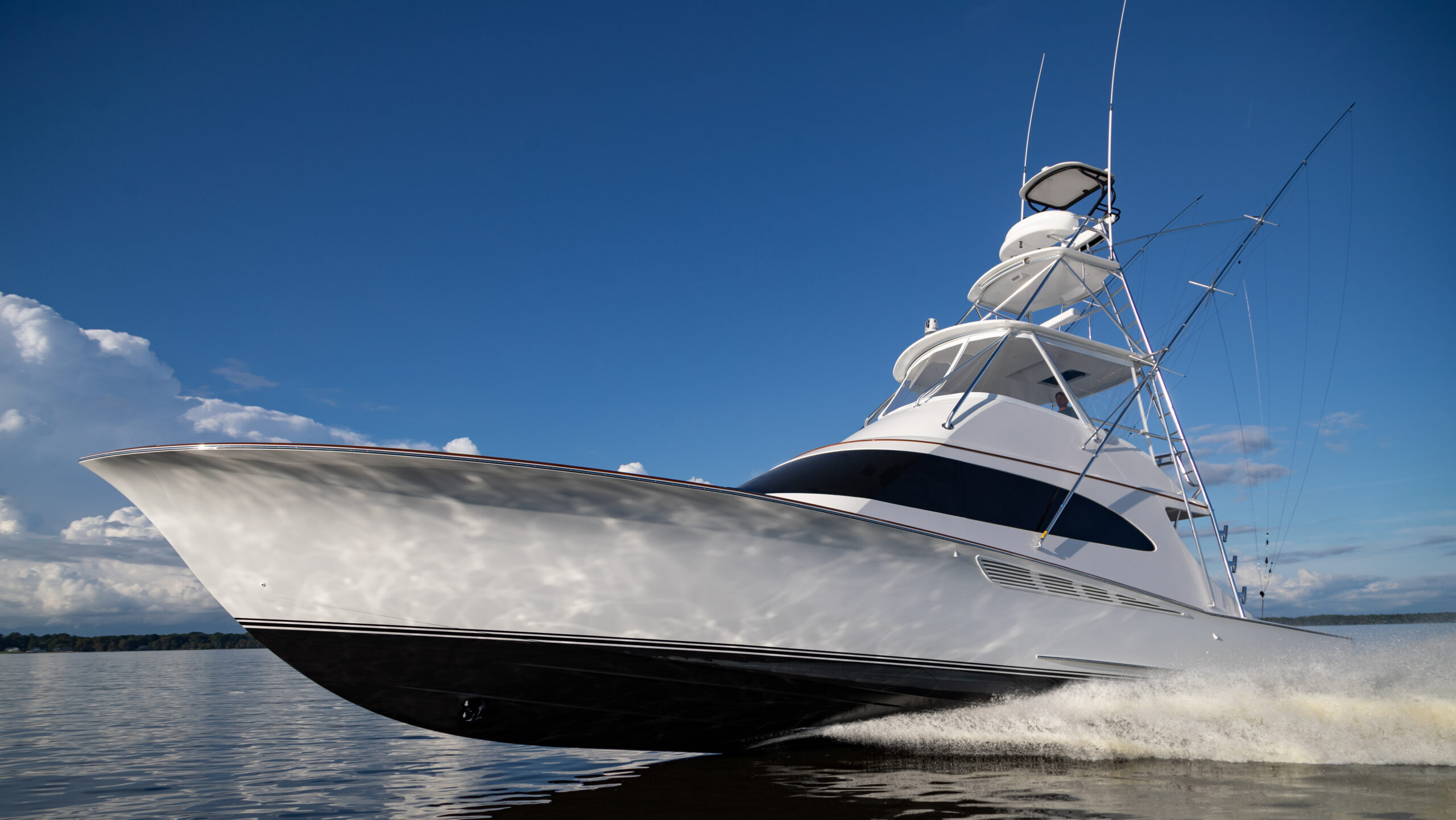
The hull is the foundation of a boat’s performance. Its shape determines how the vessel meets waves, creates lift, and moves through the water.
A hull designed for offshore conditions may prioritize cutting through chop, while another design may emphasize shallow-water access, efficiency, or stability at rest.
If you’re exploring different hull designs, compare the performance-focused designs and layouts available across Jupiter boats and Scout boats at Intrinsic Yacht & Ship.
Weight and Weight Distribution
A boat’s weight affects how it responds to waves, but heavier does not automatically mean smoother.
Where that weight sits matters too. Fuel, passengers, equipment, and storage can all change a boat’s balance and running attitude.
Speed, Trim, and Operating Conditions
Even a well-designed hull can deliver an uncomfortable ride when operated improperly.
Adjusting speed and trim for changing conditions can make a significant difference in comfort and control.
What Is Deadrise on a Boat, and Why Does It Matter?
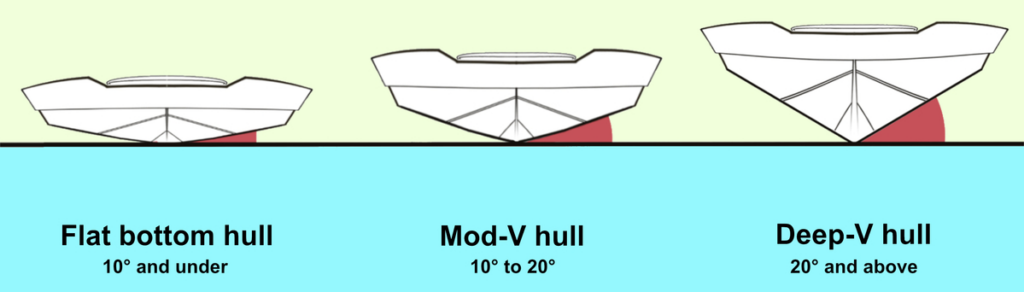
Deadrise is the angle of a boat’s hull bottom relative to a horizontal plane. Manufacturers commonly publish the deadrise measured at the transom.
Generally, a more pronounced V-shape helps a boat meet waves with less abrupt impact, although hull performance depends on much more than one measurement.
Deep-V vs. Modified-V Hulls
Deep-V hulls are commonly associated with offshore boats. Their sharper hull shape can help soften impacts in choppy water, making them attractive to boaters who frequently encounter open-water conditions.
Modified-V hulls use a less pronounced V-shape toward the stern. Depending on the design, they may offer advantages in efficiency, draft, and stability.
Neither design is universally better. The right choice depends on where you boat and what you expect from it.
Does More Deadrise Always Mean a Better Ride?
Not necessarily.
Deadrise is important, but so are hull length, beam, entry angle, chines, strakes, construction, and weight distribution.
A boat with a higher deadrise measurement will not automatically outperform every boat with a lower measurement.
That’s why comparing specifications should be the beginning of your research, not the end.
What Are Chines and Strakes on a Boat?
Two hull features you may hear mentioned during boat shopping are chines and lifting strakes.
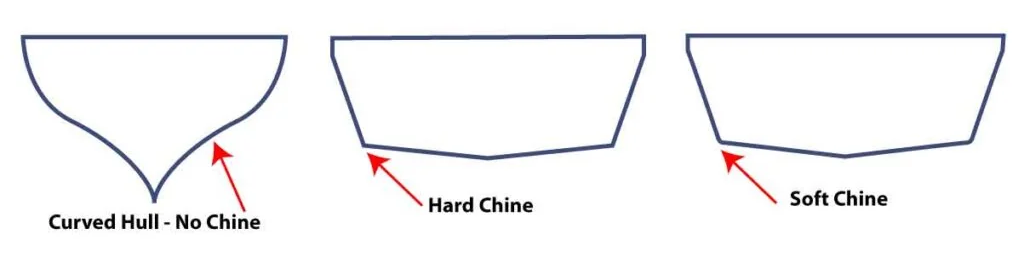
Chines: Where the Hull Bottom Meets the Sides
Chines influence how water separates from the hull and can contribute to stability, handling, and spray management.
Their design is one part of how a manufacturer balances comfort with performance.
Lifting Strakes: Helping a Boat Generate Lift
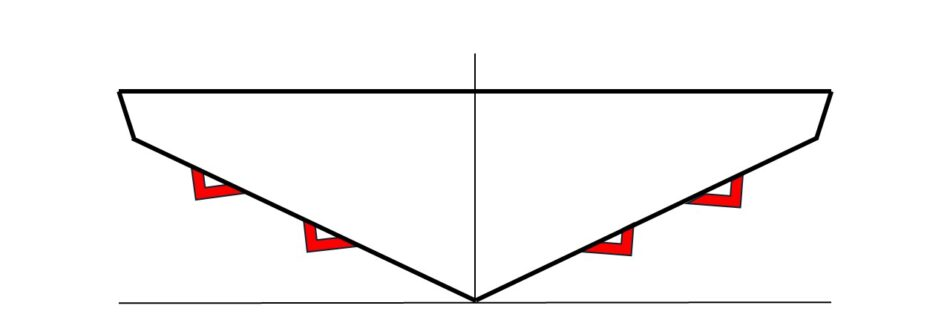
Lifting strakes are raised features along the bottom of certain hulls. They help create lift as the boat moves through the water and can influence efficiency and running attitude.
The placement and design of these features matter more than simply counting how many a hull has.
Do Boat Stabilization Systems Really Make a Difference?
Modern technology can help improve onboard comfort, but different systems solve different problems.
Gyroscopic Stabilization
Gyroscopic stabilizers are designed primarily to reduce rolling motion.
For boaters who spend time fishing, drifting, or relaxing offshore, reducing side-to-side movement can make time aboard more comfortable.
Active Ride Control Systems
Active ride control systems can make automatic adjustments while underway to help manage vessel motion and running attitude.
These systems may improve comfort and control, but they do not replace proper hull design or good seamanship.
What Hull Design Is Best for the Chesapeake Bay?
The Chesapeake Bay presents a wide range of conditions, from protected creeks and rivers to exposed stretches of open water.
A boater who primarily visits waterfront restaurants and cruises sheltered waterways may have different priorities from someone regularly crossing the Bay or fishing in rougher conditions.
For Family Cruising
Consider passenger comfort, seating, protection from spray, ease of boarding, and how the boat behaves at cruising speeds.
For Offshore Fishing
Consider rough-water capability, range, cockpit layout, stability while fishing, and the ability to operate comfortably during longer runs.
For Mixed-Use Boating
Many boaters want a combination of fishing capability and family comfort.
In that case, the best choice may be the boat that balances both activities rather than maximizing one performance characteristic.
For boaters exploring the Chesapeake Bay and surrounding coastal waters, browsing available boats at Intrinsic Yacht & Ship is a great starting point for comparing different sizes, layouts, and hull designs.
How Can You Tell If a Boat Has a Good Ride?
The most useful test is experiencing the boat on the water.
During a sea trial, pay attention to how the vessel accelerates, turns, handles chop, and responds to trim adjustments.
Questions to Ask During a Sea Trial
- How does the boat handle waves from different directions?
- Is the ride comfortable at normal cruising speeds?
- How responsive is the boat to steering and trim adjustments?
- Does the boat feel balanced with passengers aboard?
- How much spray reaches the cockpit?
- How does the boat behave when slowing down or coming off plane?
Remember that conditions during one sea trial may not represent everything the boat will encounter throughout the season.
Finding the Right Boat for Your Boating Lifestyle
The best-riding boat isn’t necessarily the biggest, heaviest, or most powerful. It’s the one whose design and performance match the conditions you encounter and the way you use it.
At Intrinsic Yacht & Ship, we help boaters throughout Annapolis, Ocean City, and the Mid-Atlantic explore their options across Scout, Jupiter, and Albemarle.
Whether you’re looking for family cruising, offshore fishing, or a versatile center console that can do both, understanding hull performance is an important part of choosing the right boat.
Explore our available inventory or contact the Intrinsic team to discuss your next boat.
Frequently Asked Questions About Boat Ride Quality
What type of boat hull provides the smoothest ride?
Deep-V hulls are often preferred for rough-water boating because their sharper entry can help soften wave impacts. However, ride quality also depends on hull length, weight distribution, speed, and sea conditions.
Is a heavier boat better in rough water?
Not always. Additional weight can influence how a boat responds to waves, but hull design, balance, and operating conditions are equally important. A heavier boat is not automatically more comfortable or capable.
What does a 24-degree deadrise mean?
A 24-degree deadrise typically refers to the angle of the hull bottom measured at the transom. This relatively pronounced V-shape is commonly associated with offshore-oriented hull designs.
Do trim tabs make a boat ride smoother?
Trim tabs can help adjust a boat’s running attitude, compensate for uneven loading, and improve comfort in certain conditions. Proper adjustment depends on the boat, speed, and water conditions.
What should I look for in a boat for Chesapeake Bay conditions?
Consider hull design, passenger comfort, protection from spray, handling, and how frequently you encounter open-water chop. The right choice depends on whether you primarily cruise protected waterways, cross the Bay, or venture offshore.


